Why Troy homes need a season-by-season plan
Troy sits in the part of Michigan that gets it from both ends. Oakland County rates Very High for cold waves and ice storms on FEMA's National Risk Index, and Relatively High for heat waves and winter storms. That means your system has to handle a January cold snap one month and a sticky July stretch the next.
Most of the houses around here are older. Troy homes were typically built around 1978, and about 11% predate 1960. Older ductwork, older thermostats and older wiring all show their age when the weather turns. A little attention each season catches small problems before they become a cold house on a Sunday night.
Roughly 89% of Troy homes heat with natural gas, and about 9% use electric heat. If you have a heat pump, it does double duty for heating and cooling, so both seasons count. Whatever you're running, the checklist below works the same way.
Late winter: check before the spring thaw
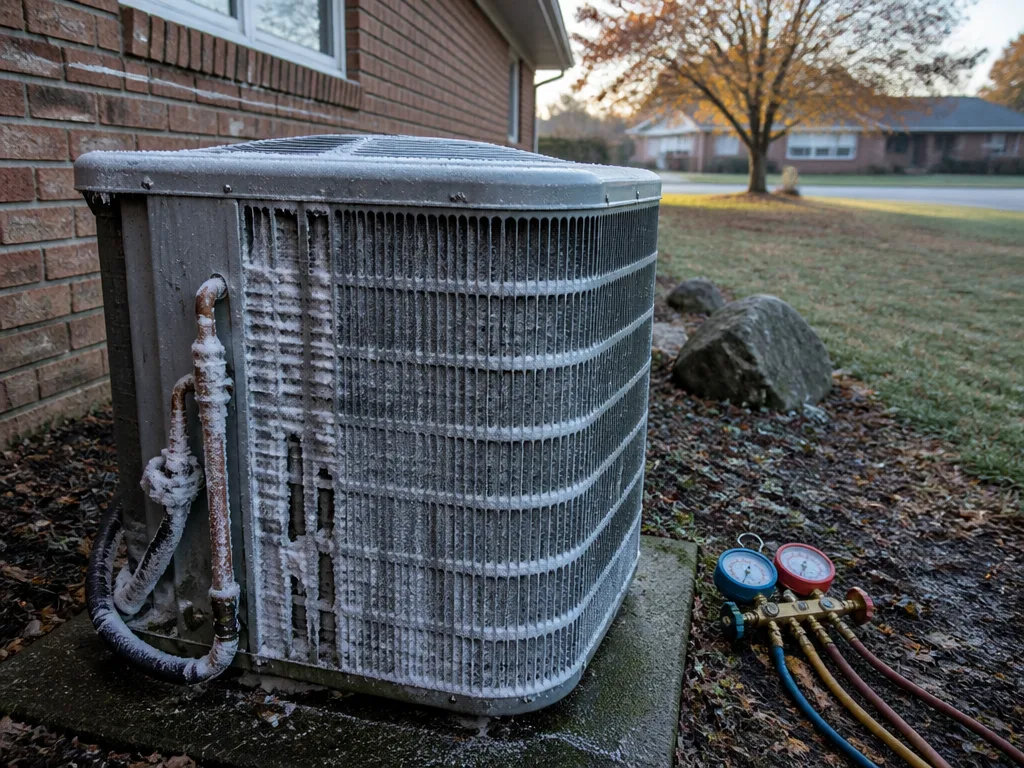
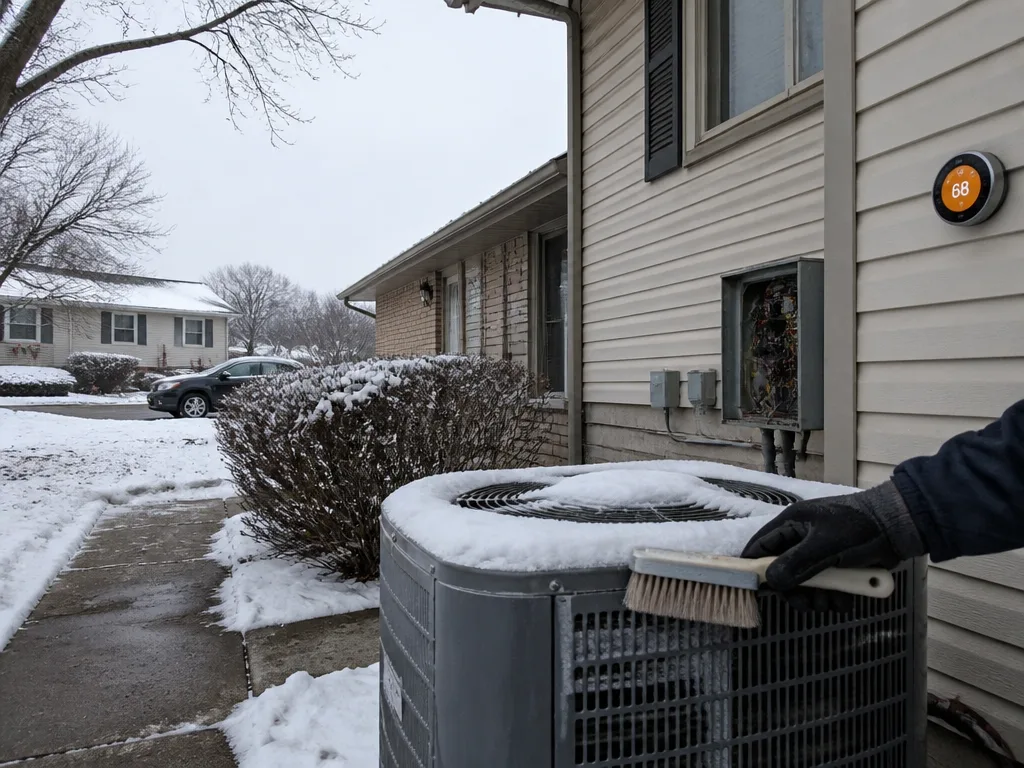
Once the worst of the ice is behind us, pull the cover off your outdoor unit and look at it. Snow piles and ice on the fins restrict airflow and make the compressor work harder than it should. Clear debris with a soft brush and a garden hose, not a pressure washer.
Next, check your filter. If it looks gray or you can see light through it, swap it. A clogged filter during a February cold snap is one of the most common reasons a furnace short cycles. Write the install date on the filter frame so you're not guessing later.
- Look for ice or matted leaves on the outdoor unit and clear them out.
- Replace or clean the indoor filter.
- Listen for banging, squealing or grinding when the system starts up.
- Note any room that never gets warm, since that often points to a duct or airflow issue.
Spring and early summer: get cooling ready before the first heat wave
Michigan springs can jump from 45 degrees to 85 in a week, and the first real hot day usually arrives before anyone has thought about the AC. Try running the cooling mode for a few minutes on a mild day. If nothing blows cold or the system trips the breaker, call before you need it on a 90-degree afternoon.
Walk the outdoor condenser and trim back shrubs or grass so there are at least a couple of feet of clear space around it. Stray branches from a Troy maple or a neighbor's privacy hedge can block the coil and quietly cut efficiency all summer. Keep the area free of mulch piles that blow into the fan.
If your thermostat still runs on an old schedule from last year, reset it. Set a realistic cooling temperature you'll actually live with, and avoid the habit of dropping it ten degrees the moment you get home. Steady settings put less strain on the compressor.
Summer: watch for the signs that something is slipping
Summer is when Troy homes tend to find out whether their system can keep up. Oakland County's heat wave risk means a few stretches of high humidity and heat are almost certain. Pay attention to how long the system runs. A unit that never seems to shut off, or a house that won't cool below a certain point, is telling you something.
Check for water near the indoor air handler or around the condensate line. A small drip that goes unnoticed can back up and cause real damage. Also notice if the air coming out of the vents feels weaker than it did in June.
Don't ignore a warm or humming outdoor unit that stops running in the middle of a hot afternoon. Turn the thermostat to a safe setting and schedule service with a HVAC technician rather than waiting for the next day to see if it recovers on its own.
Fall: prepare for the first cold snap
October in Troy can feel mild right up until the first morning in the 30s. This is the best time to have the heating side looked at, while the calendar still has room. Our team recommends getting the system tested before the furnace or heat pump needs to run hard every day.
Before the heating season starts, close off or cover the outdoor condenser only if the manufacturer says to. Covers that trap moisture can cause more trouble than they prevent. Instead, keep leaves and wind-blown debris cleared so the unit can breathe.
A quick fall walk-through
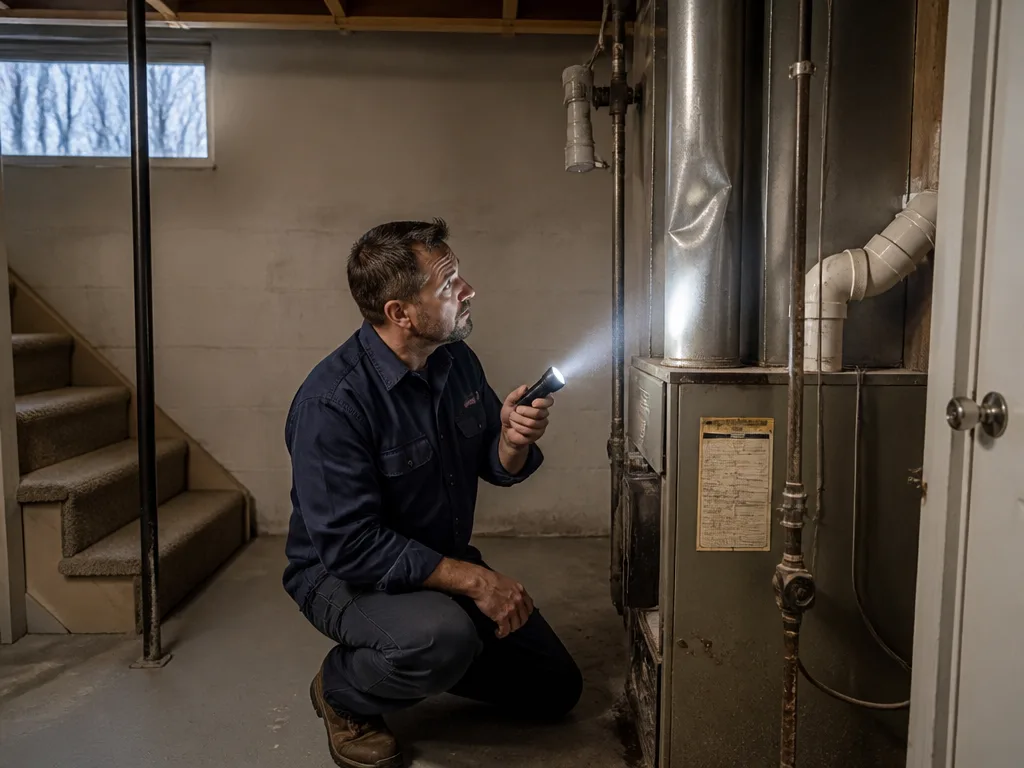
Turn the heat on for a few minutes and feel the air at each main register. Hot air should come out steadily, not in puffs. If one room runs cold every winter, mention it so the HVAC technician can check airflow and register balance.
Confirm your carbon monoxide and smoke detectors work, since a furnace that has sat idle all summer can develop issues. Replace batteries while you're at it. It takes five minutes and matters most in the middle of a January storm.
Winter: know when to call and what to expect
Heating season in Troy runs long, and cold waves are the top weather risk in Oakland County. Keep the thermostat at a steady setting and avoid large swings overnight. Keep vents open and furniture away from them so air can move freely.
Call a HVAC technician if the system runs constantly without warming the house, makes new noises, or the heat smells like something burning. Those are not things to wait out. When you call, have the make, model and approximate install year ready, since many Troy homes have systems that have been running for decades.
Heat Pump Repair Troy works with homeowners across the city and nearby communities, and the best seasonal visit is the one that happens before the problem shows up. Give us a call at your convenience to talk through what your system needs this year.